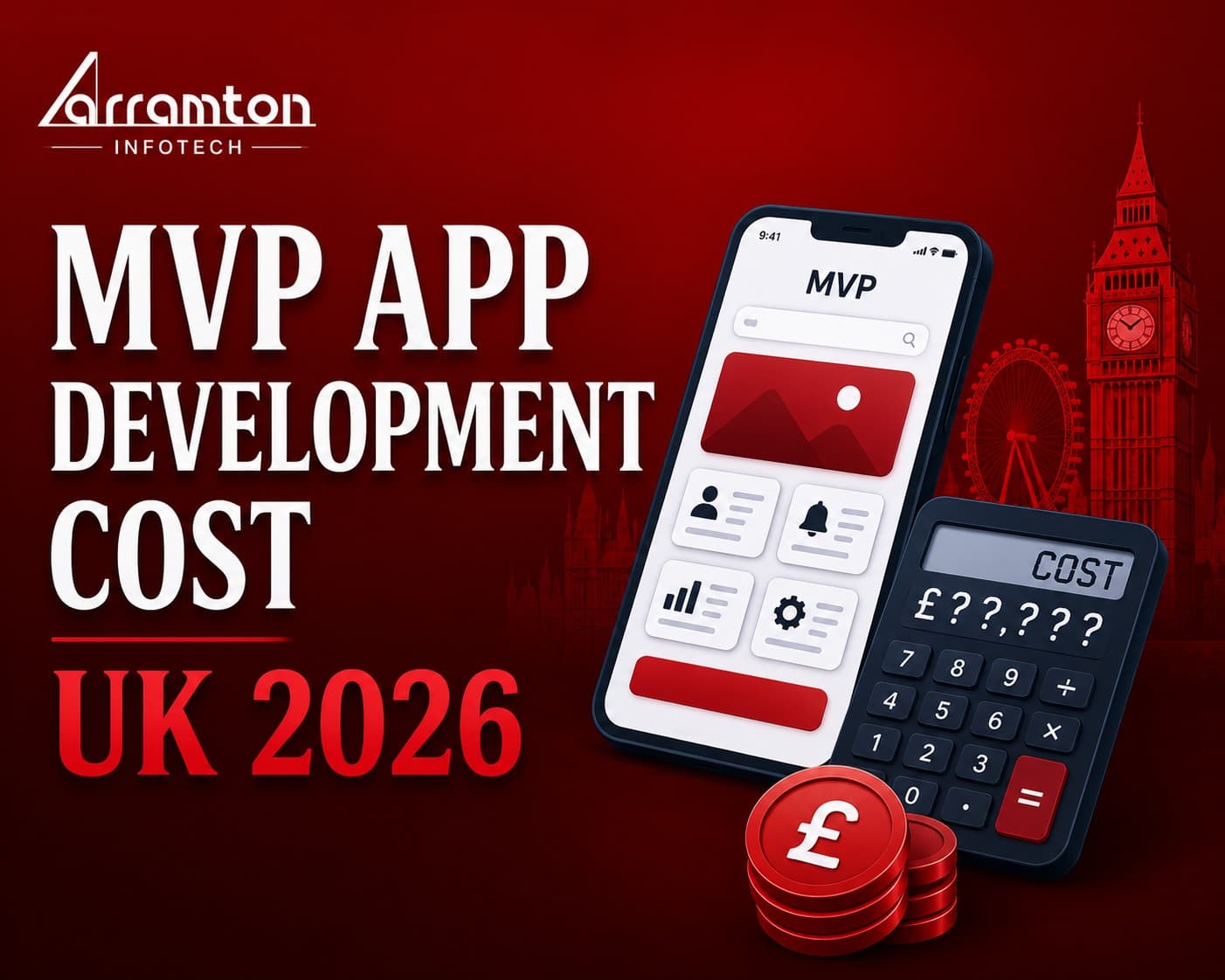
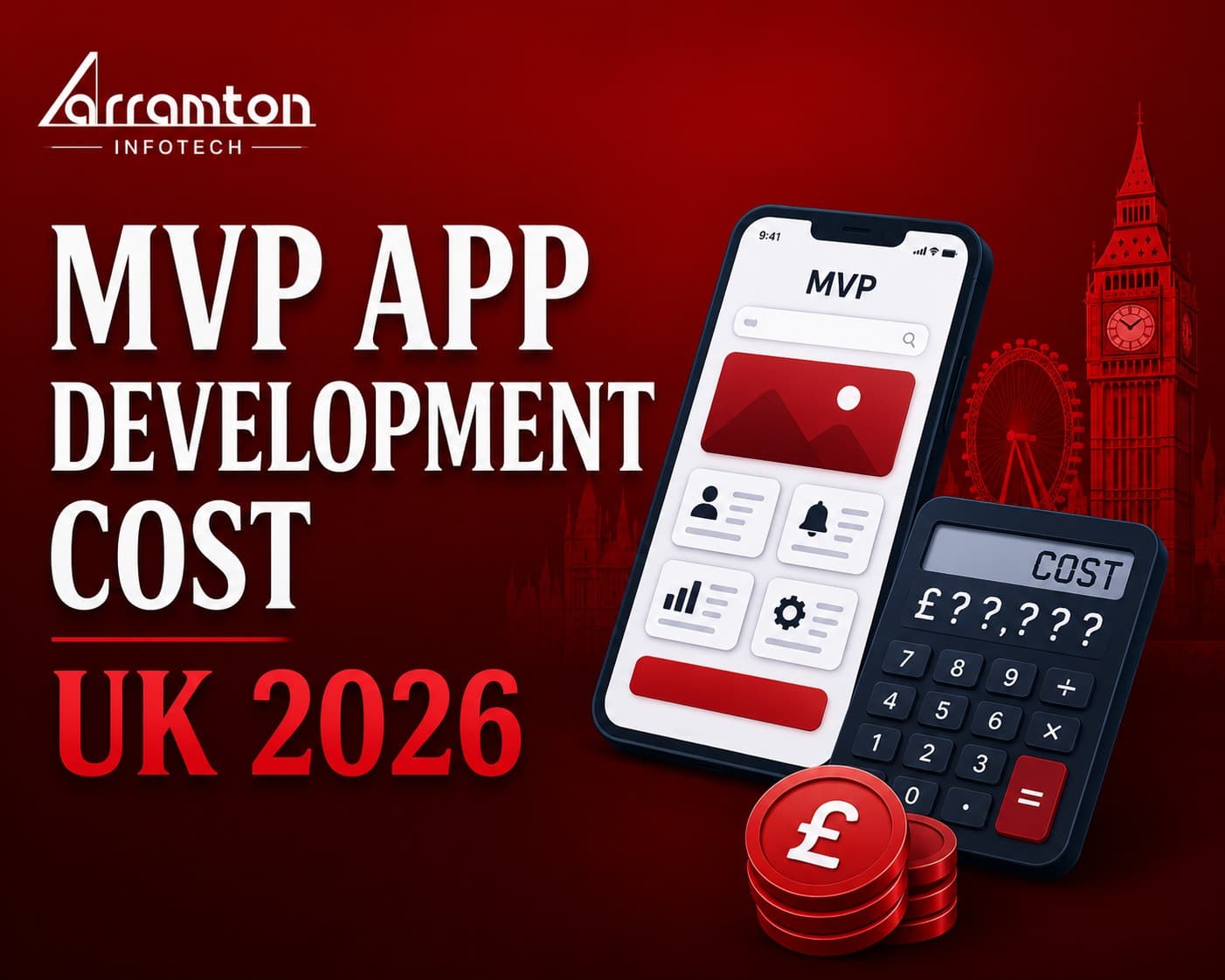
The Real Cost of an MVP App in the UK 2026: What You Actually Need to Build First
Most founders launching a new app in the UK in 2026 are faced with one brutal question: how much will it cost to build an MVP that actually proves the concept? The quick answer is rarely what they expect. Budgets often balloon because the true cost isn't just developers' hours; it's the hidden complexities, the 'nice-to-haves' that creep in, and a fundamental misunderstanding of what an MVP truly is. Building an MVP for £10,000 to £60,000 is a realistic spectrum in the UK, but understanding what puts you at each end is crucial for avoiding costly mistakes before your product even hits the market.
What Is an MVP? (And What It Is Not)
An MVP, or Minimum Viable Product, isn't a stripped-down version of your ultimate vision. It's the smallest possible version of your product that delivers core value to your early adopters and allows you to test a specific business hypothesis. It’s about learning, not about shipping a perfect, feature-rich application. Think of it as the foundational test to see if people will actually use and pay for what you’re building.
What it is not is a prototype that looks good but lacks robust backend infrastructure. It's not a product missing critical user flows, nor is it an app packed with every feature you brainstormed. A common mistake is building a v1.5 instead of a true MVP, leading to inflated costs, longer development times, and delayed market validation. For example, a marketplace MVP needs a way to list, find, and transact – not integrated review systems or social sharing.

MVP App Development Cost UK: Quick Reference Table
While each project is unique, here's a general guide to MVP app development costs in the UK for 2026. These figures represent the total investment, including discovery, design, development, and basic testing.
Mobile App MVP (iOS or Android, single platform): £18,000 – £45,000
Cross-Platform Mobile App MVP (React Native, Flutter): £25,000 – £55,000
Web App MVP (SaaS/B2B Portal): £20,000 – £50,000
Discovery & Design Phase: £3,000 – £8,000 (essential pre-development step)
These are estimates. Complex integrations, advanced AI features, or extensive backend requirements will push costs higher. Conversely, a very simple, single-purpose app with minimal UI complexity could land at the lower end of these ranges.
The Real Cost Range: £10,000–£60,000 — What Puts You at Each End
The wide spectrum of MVP costs in the UK, from £10,000 to £60,000, is driven by several critical factors. At the lower end, you're looking at apps with a very focused core function, perhaps 3–5 essential features, basic user authentication, and minimal third-party integrations. Think of a simple utility app or a single-purpose content delivery platform.
At the higher end, costs escalate due to factors like extensive custom UI/UX design, complex backend architecture (e.g., real-time data, intricate user roles), integration with multiple third-party services (payment gateways, CRMs, analytics platforms), or the need for cross-platform development using frameworks like React Native or Flutter to reach both iOS and Android users simultaneously. A London-based fintech startup requiring robust security protocols and compliance features would naturally fall into this higher bracket.
Mobile MVP (iOS or Android): Cost Breakdown
Developing a native mobile app MVP on iOS or Android typically involves several cost centres. The discovery and design phase, costing £3,000–£8,000, is where we define the scope, user flows, and create wireframes and mockups. This upfront investment is critical for clarity.
Development itself is the largest chunk. For a standard iOS or Android MVP with 3–5 core features, basic user management, and a simple backend API, you can expect development costs to range from £15,000 to £37,000. This covers front-end coding, back-end development (APIs, database), and quality assurance. Complex features like real-time notifications, offline capabilities, or integrations with native device hardware will add to this.

Platform Specifics
While native development for iOS or Android offers optimal performance and access to device features, it means building two separate codebases if you target both. This is where cross-platform development using tools like React Native or Flutter can offer cost efficiencies, though they come with their own set of considerations for performance and native feel.
Web App MVP (SaaS / B2B Portal): Cost Breakdown
Web app MVPs, whether they're SaaS platforms or B2B portals, share many cost components with mobile apps. The discovery and design phase remains crucial, mapping out user roles, data models, and the overall user journey for web interfaces. This typically falls between £3,000–£8,000.
Development for a web app MVP can range from £17,000 to £42,000. This includes front-end development (using frameworks like React, Angular, or Vue.js), back-end development (Node.js, Python, Ruby on Rails), database setup, and API creation. For B2B portals, features like advanced user permission management, complex reporting dashboards, or integration with existing enterprise systems will significantly increase complexity and cost.
SaaS vs. B2B Portal Nuances
A SaaS MVP might focus on a single subscription model and core functionality to validate user acquisition and retention. A B2B portal often needs to accommodate multiple client accounts, custom branding options for clients, and sophisticated data security measures from the outset, making its MVP scope more intricate.
The 5 Features That Blow MVP Budgets (Cut These)
Every founder wants their MVP to impress, but certain features are budget-killers disguised as necessities. The biggest offender is almost always **real-time chat or messaging capabilities**. While invaluable later, it adds significant backend complexity, push notification infrastructure, and extensive UI work that most early-stage MVPs don't need for initial validation.
Other budget-busters include: **advanced analytics dashboards with custom reporting**, comprehensive **user-generated content feeds or social networking features**, **complex search filters with multiple data points**, and **in-app purchase or e-commerce functionality beyond a single, straightforward transaction**. These are excellent additions for version 2.0, but for an MVP, they represent scope creep that can double your development timeline and budget.

The Non-Negotiables: What Every MVP Needs Regardless of Budget
Despite the drive to minimise scope, some elements are non-negotiable for a successful MVP. **Robust user authentication and security** are paramount. Losing user data or suffering a breach due to poor security on an MVP is catastrophic for trust and future funding prospects. You need secure login, password management, and basic data protection.
Secondly, a **clear and intuitive user interface (UI) and user experience (UX) flow** is essential. Even with minimal features, if users can't figure out how to use your app, it won't get traction. This doesn't mean bespoke animations on every screen, but a logical navigation and accessible design. Finally, **a functional backend capable of scaling** is vital. You might only have a few users initially, but the architecture needs to support growth without a complete rebuild.
Discovery Phase: Why £3,000–£8,000 Upfront Saves £30,000 Later
The discovery phase is the bedrock of any successful software project, especially an MVP. This is where we work closely with you to define the precise problem your app solves, map out user journeys, establish core features, and create detailed wireframes and specifications. This process typically costs between £3,000 and £8,000 for a UK-based agency.
Why is this small upfront investment so critical? It prevents scope creep. Without a clear, documented spec, feature requests inevitably arise during development, causing delays and cost overruns. A well-defined discovery phase acts as your blueprint, ensuring everyone – your team, your developers, and stakeholders – is aligned. At Arramton, we've seen this pattern across over 30 projects: thorough discovery phases prevent an average of 40% in unexpected development costs and significantly reduce timeline slippage, saving you potentially £30,000 or more down the line.
UK Agency vs. Freelancer vs. Staff Augmentation for MVP Builds
Choosing the right development partner for your MVP is critical. A UK agency offers a managed, structured process with accountability, IP protection, and a dedicated team under contract, though it's the most expensive option (£30–£150+/hour). For a critical MVP intended to secure investment, this structure provides peace of mind.
Freelancers can be 20–40% cheaper per hour, but they bring significant risks: inconsistent availability, lack of redundancy if they fall ill or leave, and potential project management overhead for you. They’re best suited for very small, well-defined tasks within a larger project, not the entirety of an MVP build. Staff augmentation, where you hire remote developers integrated into your team, offers a middle ground. For example, hiring dedicated developers from our Delhi team can provide skilled resources at a more accessible rate than a UK-based agency, with Arramton managing HR, payroll, and infrastructure, allowing you to focus on product strategy.

Timeline: Realistic MVP Delivery Schedule in 2026
A realistic timeline for a well-scoped MVP mobile app in the UK, assuming a dedicated team and clear requirements, is typically 12–20 weeks. This includes the discovery and design phase (2–4 weeks), development (8–14 weeks), and testing/deployment (2–4 weeks).
For a web app MVP, the timeline can be similar, often 14–22 weeks, depending on complexity. Factors that can extend this include complex integrations with legacy systems, extensive custom animations, or significant backend architecture requirements. It's crucial to avoid unrealistic promises; building quality code and a stable product takes time. A founder in Manchester recently learned this lesson; their initial estimate of 6 weeks for an app with multiple third-party integrations proved wildly optimistic, delaying their beta launch by two months.
After Launch: What Happens to MVP Cost in Month 2–12
The MVP launch is just the beginning. Post-launch, the costs shift from initial development to refinement, iteration, and scaling. Your budget for the first 12 months post-launch should account for bug fixing, performance optimisation, user feedback analysis, and the development of new features based on validated user behaviour. This iterative cycle is where the real value of the MVP is realised.
Expect to allocate 20–40% of your initial MVP development cost for ongoing development and maintenance in the first year. This ensures your app remains competitive and user-friendly. For instance, a Leeds-based e-commerce startup found that their initial MVP build cost £35,000, but their ongoing development budget for the first year was £15,000, covering essential feature enhancements and platform updates. This is where a retained development partner or a staff augmentation model proves invaluable, providing continuity and expertise as your product evolves.
Frequently Asked Questions
Q1: What is the minimum budget for a credible MVP in the UK in 2026?
For a mobile app MVP (single platform), a realistic minimum is £10,000–£18,000 for a very tightly scoped product with 3–5 core features, basic authentication, and no complex integrations. Below £10,000, you are typically getting a prototype or a no-code solution, not production-quality code you can build on. Web app MVPs start around £12,000–£20,000 for equivalent scope.
Q2: What's the most common reason UK startup MVPs go over budget?
Scope creep — specifically, adding features during development that weren't in the original spec. The second most common reason is underestimating backend complexity (authentication, data storage, third-party APIs, admin panels). A detailed discovery phase with a written specification before development begins prevents most of this.
Q3: Should I build my MVP with a UK agency or hire freelancers?
Freelancers are cheaper (20–40% less) but create significant risk: availability gaps, no redundancy if they get sick or quit, no accountability on delivery, and harder IP assignment. For an MVP you intend to raise funding on or take to market, a UK-registered agency or a staff augmentation arrangement gives you accountability, a written contract, and IP transfer on final payment. Freelancers work better for small, well-defined modules within a larger build.
Q4: How many features should an MVP have?
Three to five. An MVP tests one core hypothesis about your product. If you are building a marketplace: list, find, transact. That's your MVP. Everything else — reviews, notifications, filters, social features, admin dashboards — gets built after you validate that people will pay to use the core. Most UK startup MVPs that fail do so because they tried to launch with a v1.5 instead of a true MVP.
Q5: Does Arramton do fixed-price MVP development?
Yes. After a paid discovery phase (£2,000–£5,000) where we produce a full spec and wireframes, we provide a fixed-price quote for the MVP build. Payment is split: 30% upfront, 40% at midpoint, 30% on delivery. The spec produced in discovery is yours to keep regardless of whether you proceed with the build.
Understanding MVP app development costs in the UK for 2026 is crucial for setting realistic expectations and securing the right funding. It's about building smart, not building everything at once. The most important takeaway is that a well-defined MVP is an investment in learning, validated by real user behaviour, not a gamble on features. If you're evaluating partners for this kind of foundational work, Arramton builds robust, scalable MVPs for UK and US companies. Explore our approach to custom software development.